Buy healthbox.eu ?
We are moving the project
healthbox.eu .
Are you interested in purchasing the domain
healthbox.eu ?
domain@kv-gmbh.de · 0541-91531010
Buy healthbox.eu ?
What are geometric patterns?
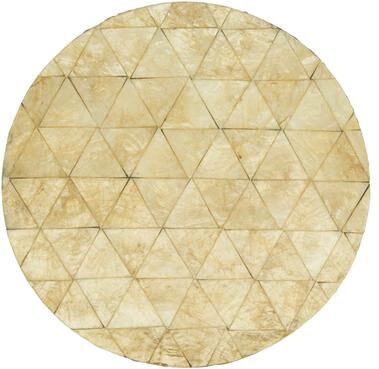
Geometric patterns are repetitive designs or motifs that are created using geometric shapes such as lines, circles, triangles, squares, and other geometric elements. These patterns can be found in various forms of art, architecture, textiles, and nature. Geometric patterns are characterized by their symmetry, order, and precision, and they are often used to create visually appealing and harmonious compositions. **
What are geometric quantities?
Geometric quantities are measurements or properties of geometric figures or shapes. These quantities can include length, area, volume, angles, and curvature. They are used to describe and analyze the characteristics of geometric objects in mathematics and physics. Geometric quantities play a crucial role in various fields such as engineering, architecture, and computer graphics. **


Similar search terms for Geometric
Top-Angebote
Products related to Geometric:
-
Cornerstone Press Make Me Well: The Truth About the Wellness Industry, Supplements, and Personalised Health by Xand van TullekenIn a world of endless wellness advice, learn how to make smarter decisions about your health with the empowering new book from doctor and broadcaster Xand Van Tulleken. Drawing on original reporting, expert insight and real-world case studies, he explores: The truth about supplements and vitamins ― what works and what doesn’t The rise of at-home blood testing and personalised health plans How wearable technology (fitness trackers, sleep trackers, smartwatches) shapes our behaviour The promises and pitfalls of consumer genomics and DNA testing Why the line between healthcare and the wellness industry has become blurred There has never been a more confusing time to try to be healthy. From supplements and blood testing to wearable technology and consumer genomics, the modern wellness industry promises better energy, performance and longevity. But how much of it is science, and how much is marketing? In his groundbreaking book, Make Me Well, Xand van Tulleken investigates the new Wild West of the wellness industry, offering a clear, evidence-based guide to navigating today’s most popular health trends. With practical advice and accessible science, Make Me Well will help you cut through misinformation, avoid unnecessary costs, and make informed decisions about your physical and mental wellbeing. If you’ve ever wondered which health trends are worth your time and money, this is your essential guide to modern wellness.12,99 £*Shipping: 2,99 £Secure redirect to the provider
-
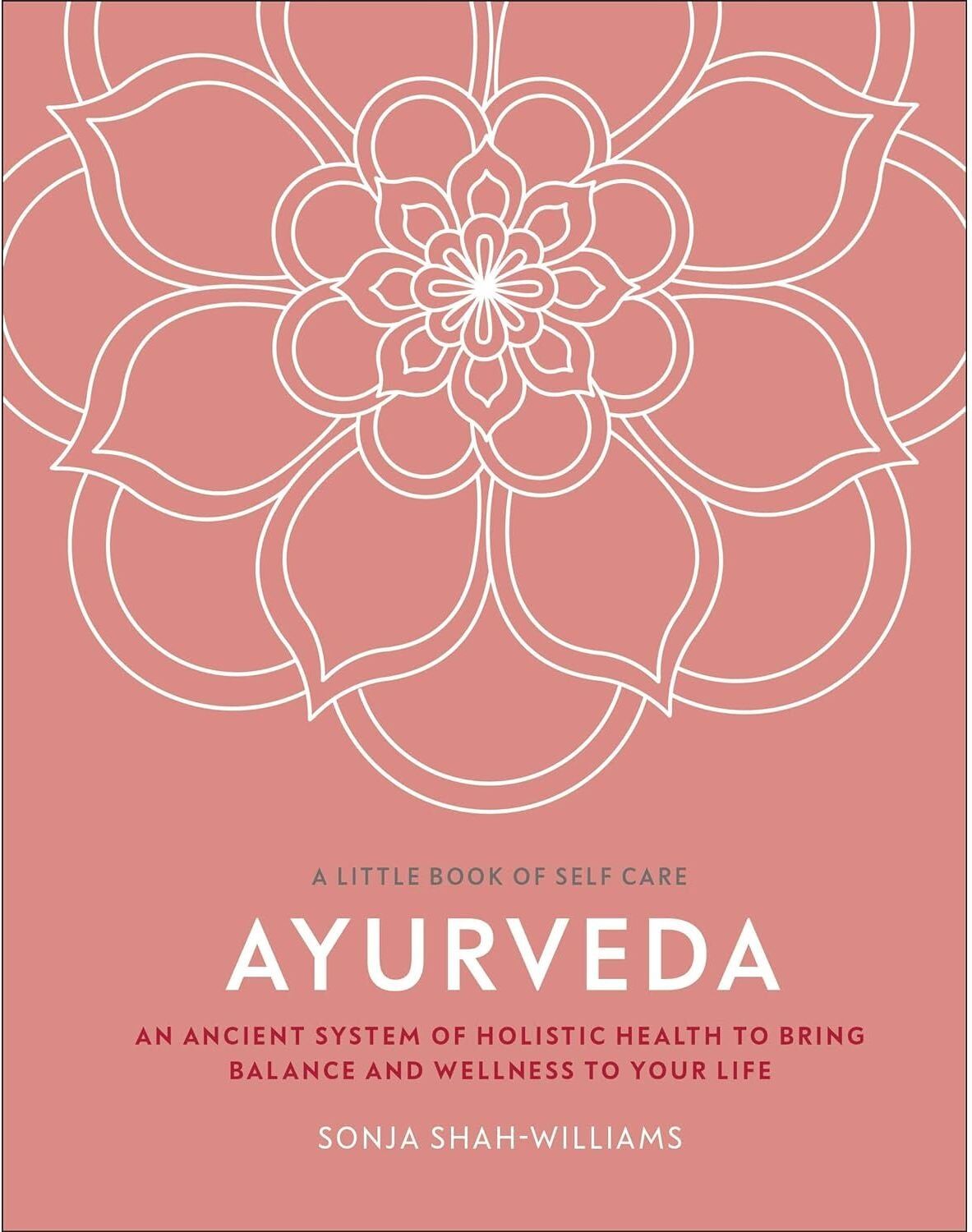
DK Ayurveda: An Ancient System of Holistic Health to Bring Balance and Wellness to Your Life (A Little Book of Self Care)Make Ayurveda an indispensable part of your daily routine with this step-by-step guide to holistic balance and wellness. For a natural approach to self-healing, alternative medicine, and wellness, expert Sonja Shah-Williams has tailored remedies including Ayurveda recipes, skincare, yoga, and mindful meditation techniques. Harness the power of alternative therapies and discover: - What Ayurveda is and the benefits of the practice - Easy to follow, step by step illustrated guide to Ayurvedic practices - Ayurvedic super-foods and recipes - How to easily incorporate holistic practices into daily life - Positive affirmations, mindfulness techniques and exercises Modern science has proved the effectiveness of Ayurveda as a view of the world based on ancient beliefs that everything is connected and that balance is the key to wellbeing. Ayurveda focuses on the prevention of disease by focusing on anti-inflammatory diets, mindful meditation, and massages. This practical guide is an Ayurvedic consultation at your disposal. This little self-care book will take you on a breathtaking journey of holistic healing. It begins by unpacking what Ayurveda is and the benefits of the practice. This reference book includes wellness practices designed to uplift the mind, body, and spirit and healing treatments designed to address, relieve, and help cure a range of common conditions.4,95 £*Shipping: 1,99 £Secure redirect to the provider


-
What geometric shapes are there?
There are many geometric shapes, including circles, squares, rectangles, triangles, pentagons, hexagons, octagons, and more. **
-
What is the geometric problem?
The geometric problem refers to any issue or challenge related to the study of shapes, sizes, and properties of objects in space. This can include problems related to finding the area, perimeter, volume, or angles of various geometric figures, as well as problems involving transformations, congruence, similarity, and other geometric concepts. Geometric problems often require the use of mathematical reasoning and visualization skills to solve. **
-
What is a geometric equation?
A geometric equation is an equation that involves geometric figures such as points, lines, angles, and shapes. These equations often describe the relationships between the various elements of a geometric figure, such as the lengths of sides, the measures of angles, or the properties of different shapes. Geometric equations are used to solve problems related to geometry and are fundamental in understanding the properties and relationships of geometric figures. **
-
What is a geometric sequence?
A geometric sequence is a sequence of numbers where each term after the first is found by multiplying the previous term by a constant factor. This constant factor is called the common ratio. For example, in the sequence 2, 6, 18, 54, the common ratio is 3 because each term is obtained by multiplying the previous term by 3. Geometric sequences can be represented by the formula an = a1 * r^(n-1), where a1 is the first term, r is the common ratio, and n is the term number. **

How do you calculate geometric shapes?
Geometric shapes can be calculated using various formulas depending on the shape. For example, the area of a rectangle is calculated by multiplying its length by its width, while the area of a circle is calculated by multiplying pi (approximately 3.14159) by the square of the radius. The perimeter of a shape is calculated by adding up the lengths of all its sides. To calculate the volume of a three-dimensional shape like a cube or cylinder, you would use specific formulas based on the dimensions of the shape. **
What do these geometric symbols mean?
These geometric symbols represent different shapes and patterns that have specific meanings in mathematics and other fields. For example, the circle represents unity and infinity, the triangle symbolizes balance and harmony, and the square signifies stability and structure. Each symbol has its own unique significance and can be interpreted in various ways depending on the context in which it is used. **
Top-Angebote
Products related to Geometric:
-
HARPERCOLLINS Clean Eating Alice: Everyday Fitness – Healthy Recipes & Practical Workout Guide for Everyday Wellness by Alice Liveing – Workout & Nutrition GuideTransform your approach to health and fitness with Clean Eating Alice Everyday Fitness: Train Smart, Eat Well and Get the Body You Love by Alice Liveing. This practical, motivating guide combines smart training principles with balanced nutrition to help readers build strength, confidence, and sustainable healthy habits. Alice Liveing shares structured workout plans, approachable meal ideas, and realistic lifestyle advice designed to fit everyday routines — no extremes or quick fixes required. Focused on long-term wellbeing rather than short-term dieting, the book empowers readers to develop a positive relationship with food and exercise while working toward personal fitness goals. Whether you’re new to training or refining your routine, this guide offers clear, supportive direction for lasting results. Why Readers Love This Book: Structured fitness training plans for real-life schedules Balanced nutrition guidance — no fad dieting Encourages sustainable, long-term habits Motivational, beginner-friendly tone Ideal for home or gym-based workouts A smart, accessible roadmap to healthier living, Clean Eating Alice Everyday Fitness helps readers feel strong, energized, and confident.2,80 £*Shipping: 1,99 £Secure redirect to the provider
-
Saro Lifestyle Embroidered Table Runner With Geometric Print DesignCreate a memorable table setting with this stunning geometric embroidered table runner. Featuring tasseled trim and neutral colors, this beautiful dining table runner is a crowd pleaser.35,32 $*Shipping: 0,00 $Secure redirect to the provider
-
Cornerstone Press Make Me Well: The Truth About the Wellness Industry, Supplements, and Personalised Health by Xand van TullekenIn a world of endless wellness advice, learn how to make smarter decisions about your health with the empowering new book from doctor and broadcaster Xand Van Tulleken. Drawing on original reporting, expert insight and real-world case studies, he explores: The truth about supplements and vitamins ― what works and what doesn’t The rise of at-home blood testing and personalised health plans How wearable technology (fitness trackers, sleep trackers, smartwatches) shapes our behaviour The promises and pitfalls of consumer genomics and DNA testing Why the line between healthcare and the wellness industry has become blurred There has never been a more confusing time to try to be healthy. From supplements and blood testing to wearable technology and consumer genomics, the modern wellness industry promises better energy, performance and longevity. But how much of it is science, and how much is marketing? In his groundbreaking book, Make Me Well, Xand van Tulleken investigates the new Wild West of the wellness industry, offering a clear, evidence-based guide to navigating today’s most popular health trends. With practical advice and accessible science, Make Me Well will help you cut through misinformation, avoid unnecessary costs, and make informed decisions about your physical and mental wellbeing. If you’ve ever wondered which health trends are worth your time and money, this is your essential guide to modern wellness.12,99 £*Shipping: 2,99 £Secure redirect to the provider
-
What are geometric patterns?
Geometric patterns are repetitive designs or motifs that are created using geometric shapes such as lines, circles, triangles, squares, and other geometric elements. These patterns can be found in various forms of art, architecture, textiles, and nature. Geometric patterns are characterized by their symmetry, order, and precision, and they are often used to create visually appealing and harmonious compositions. **
-
What are geometric quantities?
Geometric quantities are measurements or properties of geometric figures or shapes. These quantities can include length, area, volume, angles, and curvature. They are used to describe and analyze the characteristics of geometric objects in mathematics and physics. Geometric quantities play a crucial role in various fields such as engineering, architecture, and computer graphics. **
-
What geometric shapes are there?
There are many geometric shapes, including circles, squares, rectangles, triangles, pentagons, hexagons, octagons, and more. **
-
What is the geometric problem?
The geometric problem refers to any issue or challenge related to the study of shapes, sizes, and properties of objects in space. This can include problems related to finding the area, perimeter, volume, or angles of various geometric figures, as well as problems involving transformations, congruence, similarity, and other geometric concepts. Geometric problems often require the use of mathematical reasoning and visualization skills to solve. **
Similar search terms for Geometric
-
DK Ayurveda: An Ancient System of Holistic Health to Bring Balance and Wellness to Your Life (A Little Book of Self Care)Make Ayurveda an indispensable part of your daily routine with this step-by-step guide to holistic balance and wellness. For a natural approach to self-healing, alternative medicine, and wellness, expert Sonja Shah-Williams has tailored remedies including Ayurveda recipes, skincare, yoga, and mindful meditation techniques. Harness the power of alternative therapies and discover: - What Ayurveda is and the benefits of the practice - Easy to follow, step by step illustrated guide to Ayurvedic practices - Ayurvedic super-foods and recipes - How to easily incorporate holistic practices into daily life - Positive affirmations, mindfulness techniques and exercises Modern science has proved the effectiveness of Ayurveda as a view of the world based on ancient beliefs that everything is connected and that balance is the key to wellbeing. Ayurveda focuses on the prevention of disease by focusing on anti-inflammatory diets, mindful meditation, and massages. This practical guide is an Ayurvedic consultation at your disposal. This little self-care book will take you on a breathtaking journey of holistic healing. It begins by unpacking what Ayurveda is and the benefits of the practice. This reference book includes wellness practices designed to uplift the mind, body, and spirit and healing treatments designed to address, relieve, and help cure a range of common conditions.4,95 £*Shipping: 1,99 £Secure redirect to the provider
-
Viviscal Man Supplements 60 pillsA hair-care product for hair loss or thinning. The weakening of hair is a problem for many men, and about 50% of men lose hair before the age of 50 years. A natural food supplement specifically developed to solve this problem and to help slow or prevent its occurrence. Flax seeds help prevent hair weakening in men, while Zinc is essential for healthy hair.31,39 £*Shipping: 5,34 £Secure redirect to the provider
-
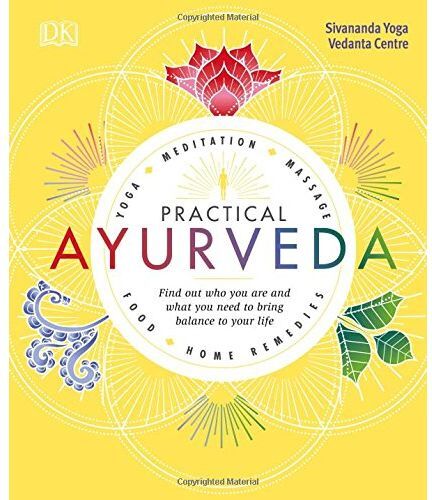
DK Practical Ayurveda – Find Out Who You Are and What You Need to Bring Balance to Your Life Holistic Health & Ayurvedic Wellness GuideDiscover the ancient wisdom of Ayurveda with Practical Ayurveda: Find Out Who You Are and What You Need to Bring Balance to Your Life, a clear and accessible guide to holistic wellbeing. Rooted in centuries of traditional Indian medicine, Ayurveda focuses on understanding your unique body type—or dosha—to achieve harmony between body, mind, and spirit. This practical guide helps readers identify their personal constitution and learn simple lifestyle, diet, and wellness practices to restore natural balance. Through easy explanations, self-assessment tools, and practical advice, this book introduces readers to Ayurvedic principles including nutrition, daily routines, herbal remedies, and mindful living. What You’ll Discover: How to identify your Ayurvedic dosha (Vata, Pitta, or Kapha) Practical tips for improving health, energy, and balance Guidance on Ayurvedic diet and lifestyle practices Natural approaches to managing stress and wellbeing Simple steps to integrate ancient wisdom into modern life Perfect for beginners and anyone interested in natural health, holistic living, and mind-body balance, Practical Ayurveda offers an inspiring introduction to one of the world’s oldest healing traditions.7,99 £*Shipping: 2,99 £Secure redirect to the provider
-
What is a geometric equation?
A geometric equation is an equation that involves geometric figures such as points, lines, angles, and shapes. These equations often describe the relationships between the various elements of a geometric figure, such as the lengths of sides, the measures of angles, or the properties of different shapes. Geometric equations are used to solve problems related to geometry and are fundamental in understanding the properties and relationships of geometric figures. **
-
What is a geometric sequence?
A geometric sequence is a sequence of numbers where each term after the first is found by multiplying the previous term by a constant factor. This constant factor is called the common ratio. For example, in the sequence 2, 6, 18, 54, the common ratio is 3 because each term is obtained by multiplying the previous term by 3. Geometric sequences can be represented by the formula an = a1 * r^(n-1), where a1 is the first term, r is the common ratio, and n is the term number. **
-
How do you calculate geometric shapes?
Geometric shapes can be calculated using various formulas depending on the shape. For example, the area of a rectangle is calculated by multiplying its length by its width, while the area of a circle is calculated by multiplying pi (approximately 3.14159) by the square of the radius. The perimeter of a shape is calculated by adding up the lengths of all its sides. To calculate the volume of a three-dimensional shape like a cube or cylinder, you would use specific formulas based on the dimensions of the shape. **
-
What do these geometric symbols mean?
These geometric symbols represent different shapes and patterns that have specific meanings in mathematics and other fields. For example, the circle represents unity and infinity, the triangle symbolizes balance and harmony, and the square signifies stability and structure. Each symbol has its own unique significance and can be interpreted in various ways depending on the context in which it is used. **
* All prices are inclusive of VAT and, if applicable, plus shipping costs. The offer information is based on the details provided by the respective shop and is updated through automated processes. Real-time updates do not occur, so deviations can occur in individual cases. ** Note: Parts of this content were created by AI.