Buy healthbox.eu ?
We are moving the project
healthbox.eu .
Are you interested in purchasing the domain
healthbox.eu ?
domain@kv-gmbh.de · 0541-91531010
Buy healthbox.eu ?
What are the heliocentric and geocentric worldviews?
The heliocentric worldview is the belief that the Sun is at the center of the solar system, with the planets, including Earth, orbiting around it. This model was proposed by Nicolaus Copernicus in the 16th century and later supported by Galileo Galilei and Johannes Kepler. In contrast, the geocentric worldview is the belief that Earth is at the center of the universe, with the Sun, planets, and stars revolving around it. This model was widely accepted in ancient times, with Ptolemy's geocentric model being the most influential. **
What is the heliocentric model in physics?
The heliocentric model in physics is a theory that places the Sun at the center of the solar system, with the planets, including Earth, orbiting around it. This model was proposed by Nicolaus Copernicus in the 16th century, challenging the previously accepted geocentric model, which placed Earth at the center of the universe. The heliocentric model provided a more accurate explanation of the movements of the planets and stars, and it laid the foundation for our modern understanding of the solar system. This model has been confirmed and refined through centuries of scientific observation and experimentation. **

Similar search terms for Heliocentric
Top-Angebote
Products related to Heliocentric:
-
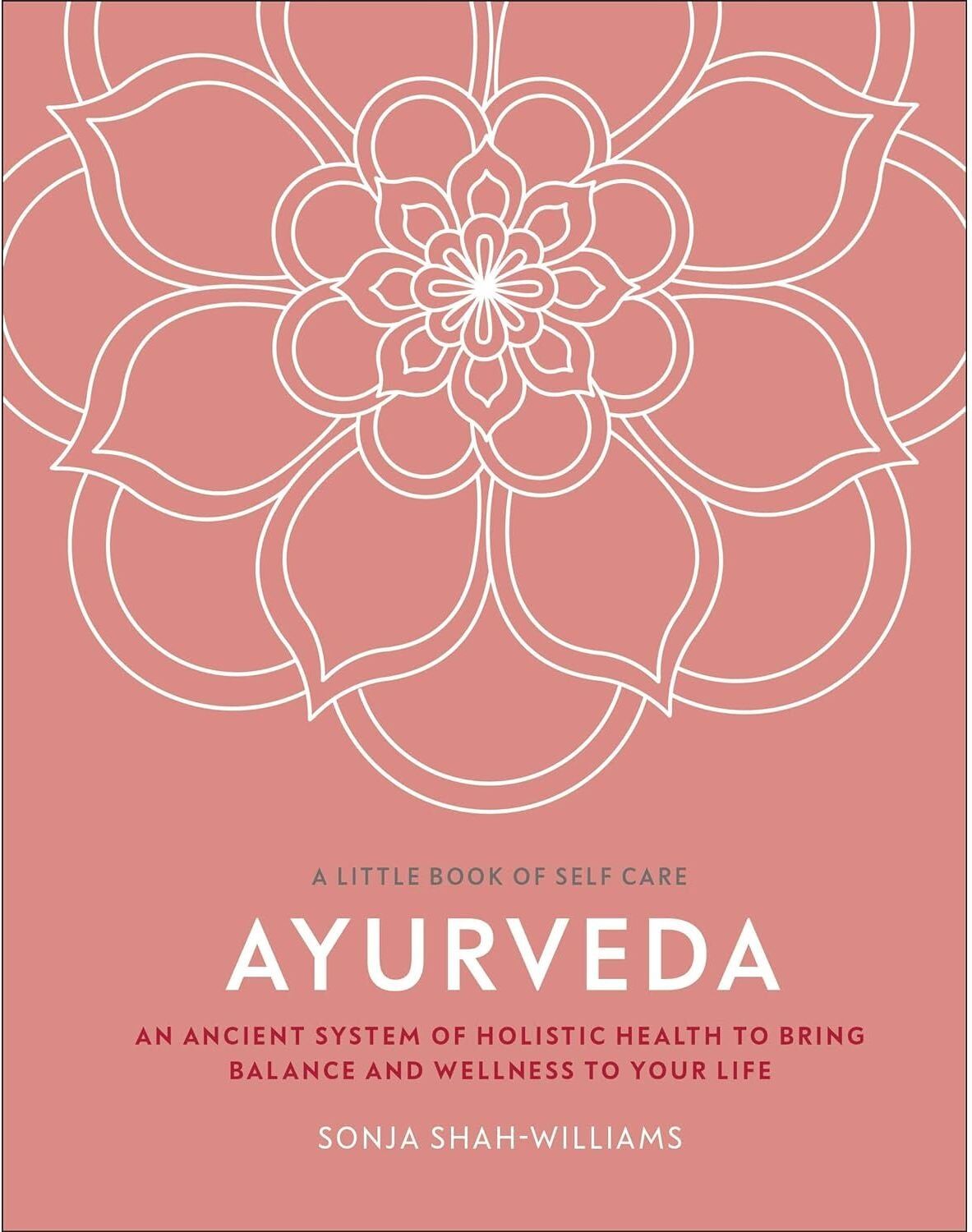
DK Ayurveda: An Ancient System of Holistic Health to Bring Balance and Wellness to Your Life (A Little Book of Self Care)Make Ayurveda an indispensable part of your daily routine with this step-by-step guide to holistic balance and wellness. For a natural approach to self-healing, alternative medicine, and wellness, expert Sonja Shah-Williams has tailored remedies including Ayurveda recipes, skincare, yoga, and mindful meditation techniques. Harness the power of alternative therapies and discover: - What Ayurveda is and the benefits of the practice - Easy to follow, step by step illustrated guide to Ayurvedic practices - Ayurvedic super-foods and recipes - How to easily incorporate holistic practices into daily life - Positive affirmations, mindfulness techniques and exercises Modern science has proved the effectiveness of Ayurveda as a view of the world based on ancient beliefs that everything is connected and that balance is the key to wellbeing. Ayurveda focuses on the prevention of disease by focusing on anti-inflammatory diets, mindful meditation, and massages. This practical guide is an Ayurvedic consultation at your disposal. This little self-care book will take you on a breathtaking journey of holistic healing. It begins by unpacking what Ayurveda is and the benefits of the practice. This reference book includes wellness practices designed to uplift the mind, body, and spirit and healing treatments designed to address, relieve, and help cure a range of common conditions.4,95 £*Shipping: 1,99 £Secure redirect to the provider
-
Viviscal Man Supplements 60 pillsA hair-care product for hair loss or thinning. The weakening of hair is a problem for many men, and about 50% of men lose hair before the age of 50 years. A natural food supplement specifically developed to solve this problem and to help slow or prevent its occurrence. Flax seeds help prevent hair weakening in men, while Zinc is essential for healthy hair.31,39 £*Shipping: 5,34 £Secure redirect to the provider
-
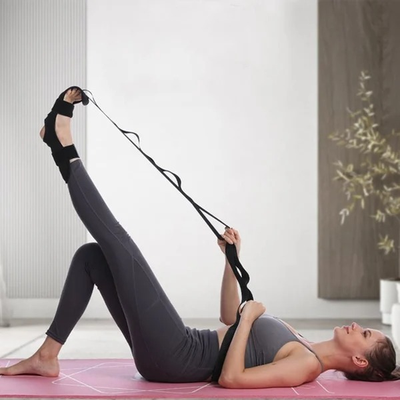
StayWell Fascia Stretcher For Muscle Pain Relief & Flexibility Ideal Fitness & Wellness Gift Fascia Stretcher For Muscle Pain Relief & Flexibility Ideal Fitness & Wellness GiftTransform Your Health with the Ultimate Fascia StretcherAre tight muscles holding you back from living an active, painfree life Persistent muscle tightness, especially in the lower back and legs, can lead to significant discomfort and limit your...26,97 $*Shipping: 0,00 $Secure redirect to the provider
-
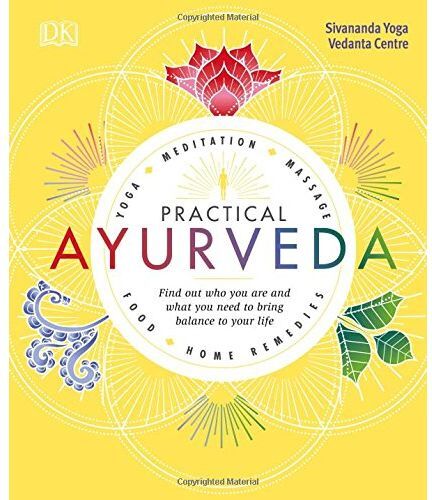
DK Practical Ayurveda – Find Out Who You Are and What You Need to Bring Balance to Your Life Holistic Health & Ayurvedic Wellness GuideDiscover the ancient wisdom of Ayurveda with Practical Ayurveda: Find Out Who You Are and What You Need to Bring Balance to Your Life, a clear and accessible guide to holistic wellbeing. Rooted in centuries of traditional Indian medicine, Ayurveda focuses on understanding your unique body type—or dosha—to achieve harmony between body, mind, and spirit. This practical guide helps readers identify their personal constitution and learn simple lifestyle, diet, and wellness practices to restore natural balance. Through easy explanations, self-assessment tools, and practical advice, this book introduces readers to Ayurvedic principles including nutrition, daily routines, herbal remedies, and mindful living. What You’ll Discover: How to identify your Ayurvedic dosha (Vata, Pitta, or Kapha) Practical tips for improving health, energy, and balance Guidance on Ayurvedic diet and lifestyle practices Natural approaches to managing stress and wellbeing Simple steps to integrate ancient wisdom into modern life Perfect for beginners and anyone interested in natural health, holistic living, and mind-body balance, Practical Ayurveda offers an inspiring introduction to one of the world’s oldest healing traditions.7,99 £*Shipping: 2,99 £Secure redirect to the provider

-
What is the difference between the geocentric and heliocentric worldviews?
The geocentric worldview is the belief that the Earth is at the center of the universe, with the sun, moon, and stars revolving around it. This was the dominant view in ancient times and was supported by the work of Ptolemy. In contrast, the heliocentric worldview, proposed by Copernicus and later supported by Galileo and Kepler, asserts that the sun is at the center of the solar system, with the planets, including Earth, orbiting around it. The heliocentric model eventually replaced the geocentric model as the dominant scientific understanding of the solar system. **
-
What are the differences between the geocentric and heliocentric worldviews?
The geocentric worldview, popular in ancient times, believed that the Earth was the center of the universe and that all celestial bodies, including the sun, revolved around it. In contrast, the heliocentric worldview, proposed by Copernicus and later supported by Galileo and Kepler, asserts that the sun is at the center of the solar system and that the planets, including Earth, revolve around it. The heliocentric model provided a more accurate explanation of the movements of celestial bodies and eventually replaced the geocentric model as the dominant worldview in astronomy. **
-
What are important features of the geocentric and heliocentric worldviews?
The geocentric worldview places the Earth at the center of the universe, with the sun, moon, and planets orbiting around it. This model was widely accepted in ancient times and was supported by the observations of the apparent motion of celestial bodies. On the other hand, the heliocentric worldview places the sun at the center of the solar system, with the Earth and other planets orbiting around it. This model was proposed by Nicolaus Copernicus in the 16th century and was later supported by the observations of Galileo and Kepler. The heliocentric model provided a more accurate explanation of the motion of celestial bodies and laid the foundation for modern astronomy. **
-
What are the characteristics of the heliocentric model of the universe?
The heliocentric model of the universe places the Sun at the center, with the planets, including Earth, orbiting around it. This model was proposed by ancient Greek astronomer Aristarchus and later popularized by Copernicus. In this model, the Earth is just one of several planets in the solar system, moving around the Sun in elliptical orbits. The heliocentric model helped to explain the observed motions of the planets more accurately than the geocentric model, which placed Earth at the center of the universe. **

What is the difference between the heliocentric and geocentric models in astronomy?
The heliocentric model in astronomy places the Sun at the center of the solar system, with the planets, including Earth, orbiting around it. In contrast, the geocentric model places Earth at the center of the universe, with the Sun and other celestial bodies orbiting around it. The heliocentric model was proposed by Nicolaus Copernicus in the 16th century, challenging the long-held geocentric view. This shift in perspective revolutionized our understanding of the cosmos and laid the foundation for modern astronomy. **
What are the 20 similarities and differences between the geocentric and heliocentric worldviews?
The geocentric and heliocentric worldviews both attempt to explain the organization of the solar system. Both models involve the planets orbiting around a central point. However, the key difference lies in the center of the system - geocentrism places Earth at the center, while heliocentrism places the Sun at the center. Other differences include the complexity of the models, the ability to predict planetary movements accurately, and the impact on scientific understanding and progress. **
Top-Angebote
Products related to Heliocentric:
-
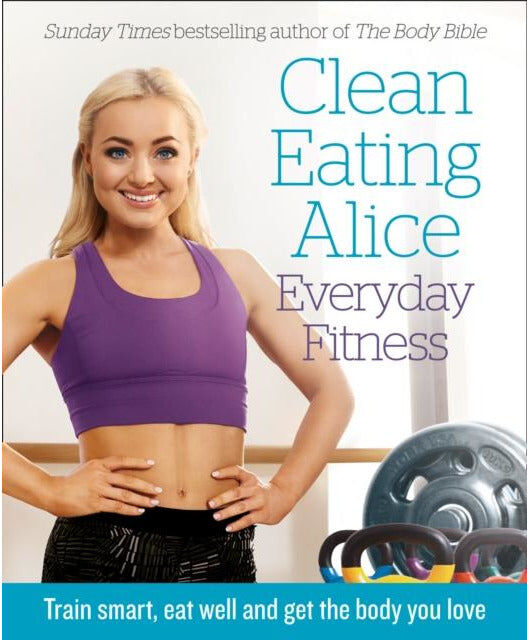
HARPERCOLLINS Clean Eating Alice: Everyday Fitness – Healthy Recipes & Practical Workout Guide for Everyday Wellness by Alice Liveing – Workout & Nutrition GuideTransform your approach to health and fitness with Clean Eating Alice Everyday Fitness: Train Smart, Eat Well and Get the Body You Love by Alice Liveing. This practical, motivating guide combines smart training principles with balanced nutrition to help readers build strength, confidence, and sustainable healthy habits. Alice Liveing shares structured workout plans, approachable meal ideas, and realistic lifestyle advice designed to fit everyday routines — no extremes or quick fixes required. Focused on long-term wellbeing rather than short-term dieting, the book empowers readers to develop a positive relationship with food and exercise while working toward personal fitness goals. Whether you’re new to training or refining your routine, this guide offers clear, supportive direction for lasting results. Why Readers Love This Book: Structured fitness training plans for real-life schedules Balanced nutrition guidance — no fad dieting Encourages sustainable, long-term habits Motivational, beginner-friendly tone Ideal for home or gym-based workouts A smart, accessible roadmap to healthier living, Clean Eating Alice Everyday Fitness helps readers feel strong, energized, and confident.2,80 £*Shipping: 1,99 £Secure redirect to the provider
-
Cornerstone Press Make Me Well: The Truth About the Wellness Industry, Supplements, and Personalised Health by Xand van TullekenIn a world of endless wellness advice, learn how to make smarter decisions about your health with the empowering new book from doctor and broadcaster Xand Van Tulleken. Drawing on original reporting, expert insight and real-world case studies, he explores: The truth about supplements and vitamins ― what works and what doesn’t The rise of at-home blood testing and personalised health plans How wearable technology (fitness trackers, sleep trackers, smartwatches) shapes our behaviour The promises and pitfalls of consumer genomics and DNA testing Why the line between healthcare and the wellness industry has become blurred There has never been a more confusing time to try to be healthy. From supplements and blood testing to wearable technology and consumer genomics, the modern wellness industry promises better energy, performance and longevity. But how much of it is science, and how much is marketing? In his groundbreaking book, Make Me Well, Xand van Tulleken investigates the new Wild West of the wellness industry, offering a clear, evidence-based guide to navigating today’s most popular health trends. With practical advice and accessible science, Make Me Well will help you cut through misinformation, avoid unnecessary costs, and make informed decisions about your physical and mental wellbeing. If you’ve ever wondered which health trends are worth your time and money, this is your essential guide to modern wellness.12,99 £*Shipping: 2,99 £Secure redirect to the provider
-
DK Ayurveda: An Ancient System of Holistic Health to Bring Balance and Wellness to Your Life (A Little Book of Self Care)Make Ayurveda an indispensable part of your daily routine with this step-by-step guide to holistic balance and wellness. For a natural approach to self-healing, alternative medicine, and wellness, expert Sonja Shah-Williams has tailored remedies including Ayurveda recipes, skincare, yoga, and mindful meditation techniques. Harness the power of alternative therapies and discover: - What Ayurveda is and the benefits of the practice - Easy to follow, step by step illustrated guide to Ayurvedic practices - Ayurvedic super-foods and recipes - How to easily incorporate holistic practices into daily life - Positive affirmations, mindfulness techniques and exercises Modern science has proved the effectiveness of Ayurveda as a view of the world based on ancient beliefs that everything is connected and that balance is the key to wellbeing. Ayurveda focuses on the prevention of disease by focusing on anti-inflammatory diets, mindful meditation, and massages. This practical guide is an Ayurvedic consultation at your disposal. This little self-care book will take you on a breathtaking journey of holistic healing. It begins by unpacking what Ayurveda is and the benefits of the practice. This reference book includes wellness practices designed to uplift the mind, body, and spirit and healing treatments designed to address, relieve, and help cure a range of common conditions.4,95 £*Shipping: 1,99 £Secure redirect to the provider
-
Viviscal Man Supplements 60 pillsA hair-care product for hair loss or thinning. The weakening of hair is a problem for many men, and about 50% of men lose hair before the age of 50 years. A natural food supplement specifically developed to solve this problem and to help slow or prevent its occurrence. Flax seeds help prevent hair weakening in men, while Zinc is essential for healthy hair.31,39 £*Shipping: 5,34 £Secure redirect to the provider
-
What are the heliocentric and geocentric worldviews?
The heliocentric worldview is the belief that the Sun is at the center of the solar system, with the planets, including Earth, orbiting around it. This model was proposed by Nicolaus Copernicus in the 16th century and later supported by Galileo Galilei and Johannes Kepler. In contrast, the geocentric worldview is the belief that Earth is at the center of the universe, with the Sun, planets, and stars revolving around it. This model was widely accepted in ancient times, with Ptolemy's geocentric model being the most influential. **
-
What is the heliocentric model in physics?
The heliocentric model in physics is a theory that places the Sun at the center of the solar system, with the planets, including Earth, orbiting around it. This model was proposed by Nicolaus Copernicus in the 16th century, challenging the previously accepted geocentric model, which placed Earth at the center of the universe. The heliocentric model provided a more accurate explanation of the movements of the planets and stars, and it laid the foundation for our modern understanding of the solar system. This model has been confirmed and refined through centuries of scientific observation and experimentation. **
-
What is the difference between the geocentric and heliocentric worldviews?
The geocentric worldview is the belief that the Earth is at the center of the universe, with the sun, moon, and stars revolving around it. This was the dominant view in ancient times and was supported by the work of Ptolemy. In contrast, the heliocentric worldview, proposed by Copernicus and later supported by Galileo and Kepler, asserts that the sun is at the center of the solar system, with the planets, including Earth, orbiting around it. The heliocentric model eventually replaced the geocentric model as the dominant scientific understanding of the solar system. **
-
What are the differences between the geocentric and heliocentric worldviews?
The geocentric worldview, popular in ancient times, believed that the Earth was the center of the universe and that all celestial bodies, including the sun, revolved around it. In contrast, the heliocentric worldview, proposed by Copernicus and later supported by Galileo and Kepler, asserts that the sun is at the center of the solar system and that the planets, including Earth, revolve around it. The heliocentric model provided a more accurate explanation of the movements of celestial bodies and eventually replaced the geocentric model as the dominant worldview in astronomy. **
Similar search terms for Heliocentric
-
StayWell Fascia Stretcher For Muscle Pain Relief & Flexibility Ideal Fitness & Wellness Gift Fascia Stretcher For Muscle Pain Relief & Flexibility Ideal Fitness & Wellness GiftTransform Your Health with the Ultimate Fascia StretcherAre tight muscles holding you back from living an active, painfree life Persistent muscle tightness, especially in the lower back and legs, can lead to significant discomfort and limit your...26,97 $*Shipping: 0,00 $Secure redirect to the provider
-
DK Practical Ayurveda – Find Out Who You Are and What You Need to Bring Balance to Your Life Holistic Health & Ayurvedic Wellness GuideDiscover the ancient wisdom of Ayurveda with Practical Ayurveda: Find Out Who You Are and What You Need to Bring Balance to Your Life, a clear and accessible guide to holistic wellbeing. Rooted in centuries of traditional Indian medicine, Ayurveda focuses on understanding your unique body type—or dosha—to achieve harmony between body, mind, and spirit. This practical guide helps readers identify their personal constitution and learn simple lifestyle, diet, and wellness practices to restore natural balance. Through easy explanations, self-assessment tools, and practical advice, this book introduces readers to Ayurvedic principles including nutrition, daily routines, herbal remedies, and mindful living. What You’ll Discover: How to identify your Ayurvedic dosha (Vata, Pitta, or Kapha) Practical tips for improving health, energy, and balance Guidance on Ayurvedic diet and lifestyle practices Natural approaches to managing stress and wellbeing Simple steps to integrate ancient wisdom into modern life Perfect for beginners and anyone interested in natural health, holistic living, and mind-body balance, Practical Ayurveda offers an inspiring introduction to one of the world’s oldest healing traditions.7,99 £*Shipping: 2,99 £Secure redirect to the provider
-
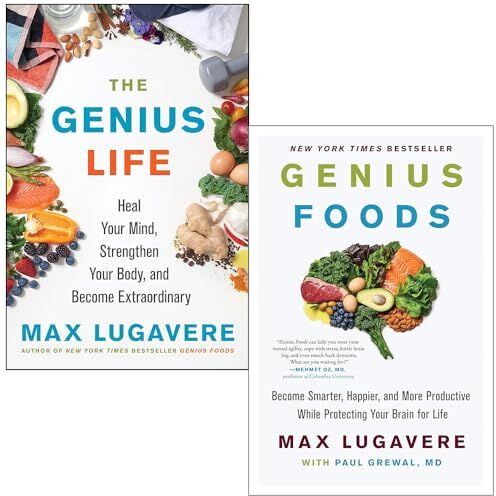
Harper ltd Max Lugavere 2 Book Set – Genius Foods & The Genius Life Brain Health, Nutrition & Wellness CollectionMax Lugavere 2-Book Collection Set (The Genius Life & Genius Foods – Nutrition, Health, Wellness, Diet, Brain & Body Health, Self-Help & Fitness) The Genius Life: Heal Your Mind, Strengthen Your Body, and Become Extraordinary: Supporting the work of Battersea Dogs and Cats Home.Enjoy a heartwarming dog to brighten every single day of the year. From Pickles, the dog who single-handedly saved the 1966 world cup, to Pal, who found silver screen fame as the original Lassie, Battersea's A Dog a Day contains 365 fascinating stories of dogs to enjoy throughout the year.Beautifully packaged and illustrated throughout with charming illustrations of cheeky puppies and hounds, this is the perfect book for any lover of our four-legged friends. Genius Foods: Become Smarter, Happier, and More Productive While Protecting Your Brain for Life: After his mother was diagnosed with a mysterious form of dementia, Max Lugavere put his successful media career on hold to learn everything he could about brain health and performance. For the better half of a decade, he consumed the most up-to-date scientific research, talked to dozens of leading scientists and clinicians around the world, and visited the country’s best neurology departments—all in the hopes of understanding his mother’s condition.Now, in Genius Foods, Lugavere presents a comprehensive guide to brain optimization. He uncovers the stunning link between our dietary and lifestyle choices and our brain functions, revealing how the foods you eat directly affect your ability to focus, learn, remember, create, analyze new ideas, and maintain a balanced mood.12,95 £*Shipping: 2,99 £Secure redirect to the provider
-
Michael O'Mara The Wellbeing Journal: Creative Activities to Inspire (Wellbeing Guides)Explore your inner world and be inspired with The Wellbeing Journal. Developed in partnership with Mind, the mental health charity, each page of this gorgeous journal has been thoughtfully crafted and it includes activities, colouring, drawing prompts, contemplative quotes and lots of space for you to write about your own thoughts, feelings and experiences. Creativity and reflection can have a powerful, positive influence on our lives. Now, with The Wellbeing Journal, you can enjoy practising these skills every day and wherever you go.4,50 £*Shipping: 1,99 £Secure redirect to the provider
-
What are important features of the geocentric and heliocentric worldviews?
The geocentric worldview places the Earth at the center of the universe, with the sun, moon, and planets orbiting around it. This model was widely accepted in ancient times and was supported by the observations of the apparent motion of celestial bodies. On the other hand, the heliocentric worldview places the sun at the center of the solar system, with the Earth and other planets orbiting around it. This model was proposed by Nicolaus Copernicus in the 16th century and was later supported by the observations of Galileo and Kepler. The heliocentric model provided a more accurate explanation of the motion of celestial bodies and laid the foundation for modern astronomy. **
-
What are the characteristics of the heliocentric model of the universe?
The heliocentric model of the universe places the Sun at the center, with the planets, including Earth, orbiting around it. This model was proposed by ancient Greek astronomer Aristarchus and later popularized by Copernicus. In this model, the Earth is just one of several planets in the solar system, moving around the Sun in elliptical orbits. The heliocentric model helped to explain the observed motions of the planets more accurately than the geocentric model, which placed Earth at the center of the universe. **
-
What is the difference between the heliocentric and geocentric models in astronomy?
The heliocentric model in astronomy places the Sun at the center of the solar system, with the planets, including Earth, orbiting around it. In contrast, the geocentric model places Earth at the center of the universe, with the Sun and other celestial bodies orbiting around it. The heliocentric model was proposed by Nicolaus Copernicus in the 16th century, challenging the long-held geocentric view. This shift in perspective revolutionized our understanding of the cosmos and laid the foundation for modern astronomy. **
-
What are the 20 similarities and differences between the geocentric and heliocentric worldviews?
The geocentric and heliocentric worldviews both attempt to explain the organization of the solar system. Both models involve the planets orbiting around a central point. However, the key difference lies in the center of the system - geocentrism places Earth at the center, while heliocentrism places the Sun at the center. Other differences include the complexity of the models, the ability to predict planetary movements accurately, and the impact on scientific understanding and progress. **
* All prices are inclusive of VAT and, if applicable, plus shipping costs. The offer information is based on the details provided by the respective shop and is updated through automated processes. Real-time updates do not occur, so deviations can occur in individual cases. ** Note: Parts of this content were created by AI.